How Boutique Senior Care Homes Improve Activities of Daily Living
Business Name: BeeHive Homes of Bernalillo
Address: 200 Sheriff's Posse Rd, Bernalillo, NM 87004
Phone: (505) 221-6400
BeeHive Homes of Bernalillo
Beehive Homes assisted living care is ideal for those who value their independence but require help with some of the activities of daily living. Residents enjoy 24-hour support, private bedrooms with baths, medication monitoring, home-cooked meals, housekeeping and laundry services, social activities and outings, and daily physical and mental exercise opportunities. Beehive Homes memory care services accommodates the growing number of seniors affected by memory loss and dementia. Beehive Homes offers respite (short-term) care for your loved one should the need arise. Whether help is needed after a surgery or illness, for vacation coverage, or just a break from the routine, respite care provides you peace of mind for any length of stay.
200 Sheriff's Posse Rd, Bernalillo, NM 87004
Business Hours
Families seldom begin researching care choices because whatever is working out. Generally there has actually been a fall, a frightening minute with medication, or a slow accumulation of small concerns that lastly feels like too much. In those discussions, the very same concerns show up: Will Mom still have the ability to shower securely? Who will make sure Dad is eating real meals, not just toast? How do we keep them strolling, dressing, and handling basic jobs for as long as possible?
Those everyday tasks are what professionals call Activities of Daily Living, or ADLs. The method a home is organized around ADLs frequently matters more than its amenities, its décor, or its marketing language. This is where shop senior care homes can quietly excel.
I have actually strolled through dozens of large assisted living communities and a comparable number of smaller, boutique-style senior care homes. What stays with me is not the chandeliers or the recreation room. It is the method a caregiver carefully cues a resident to shift weight before a transfer, or how a resident's favorite cardigan is constantly hanging in the exact same spot so dressing feels easy instead of confusing.
This post looks carefully at how boutique senior care homes can enhance ADLs, how they vary from bigger assisted living settings, and how households can judge whether a particular home is most likely to help their loved one not just live longer, but live better.
What ADLs Really Mean in Daily Life
Professionals tend to group Activities of Daily Living into a familiar core: bathing, dressing, grooming, toileting, transferring, and consuming. Numerous also discuss "important" activities, like handling medications, using a phone, shopping, or preparing meals.
Those classifications are useful for evaluation, but families normally experience them more personally:
A daughter notifications her father is all of a sudden using the very same shirt several days in a row and bristles when she recommends a shower. A spouse recognizes her hubby is "forgetting" to shave, which for him would have been unimaginable a few years previously. A kid opens the refrigerator and sees half-eaten containers and senior living random items, not real meals.
Struggles with ADLs signal more than physical decline. They typically reveal cognitive changes, state of mind shifts, or losses in self-confidence. When ADLs slip, people withdraw. They avoid visitors, feel embarrassed, and their risk of falls, infections, and hospitalization climbs.
The best senior care environments deal with ADLs as chances to support identity and self-respect, not simply tasks on a list. That is where the shop method can make a genuine difference.
What Defines a Store Senior Care Home
"Shop" is not a regulated term. It tends to describe smaller, more customized senior care settings, often with:
Fewer residents, sometimes 6 to 20 instead of 80 to 150. A residential feel, such as converted single-family homes or purpose-built however small buildings. Higher staff-to-resident ratios and more stable groups. More flexibility in regimens and menus.
Boutique homes might be licensed as assisted living, residential care, or board-and-care, depending upon the state. Some focus on memory care, others on general elderly care, and some offer short-term respite care stays in addition to long-term residence.
The core function is not high-end. It is scale. With fewer people to support, staff can take notice of how each resident actually lives: which side they choose to get out of bed, whether they like to shower in the early morning or in the evening, for how long they usually sit before their back stiffens.
Those small observations are what protect ADLs over time.
Why Size and Scale Matter for ADLs
In a large assisted living community, early morning care typically needs to run like an assembly line. Personnel are assigned a long list of citizens to assist up, toileted, bathed or showered, and dressed, all before breakfast ends. Even with caring staff, the rate motivates faster ways. If buttoning is slow, they button for the resident. If strolling from bedroom to dining room takes 10 minutes, they may press a wheelchair instead.
The outcome is subtle but substantial. What the resident could do with time and cueing gets taken over. Within months, the resident does less, the muscles decondition, and the ADL rating drops. Families in some cases presume this is the illness advancing. Frequently, it is the environment silently speeding up the decline.
In a boutique senior care home, personnel normally support fewer locals per shift. I have seen caregivers rest on the edge of the bed and wait through a long silence while a resident arranges herself to stand. No hurrying, no noticeable impatience. That extra two minutes makes the difference between "dependent" and "needs some support."
A resident who continues to transfer with support rather than be raised or wheeled preserves leg strength, flow, and a sense of company. Those details compound over years.
Physical Environment as an ADL Tool
One of the greatest advantages of boutique homes is that the structure itself can be arranged around how people in fact move through their day.
Hallways tend to be much shorter. Distances between bedroom, bathroom, and dining area are less intimidating. For someone with arthritis or moderate heart failure, that can mean the difference between strolling separately and needing a wheelchair. Bathrooms can be personalized more tightly to the resident's requirements: get bars put to match a person's height and dominant hand, shower heads reduced or portable, shelving set up so favorite products are constantly in arm's reach.
Lighting and noise levels matter more than many households recognize. In a smaller, quieter area, a resident can better hear a caretaker's verbal hints: "Move your hand along the rail. Good. Now lean forward simply a little." That enhances both safety and confidence.
I visited a 10-bed home where personnel saw one resident regularly refused night showers. Instead of chalk it approximately "behaviors," they focused. The corridor to the restroom was dim; her space was bright. They added a warm, continuous light along the course and a nightlight in the restroom. Within a couple of days, her resistance softened. It was not about stubbornness. It had to do with depth understanding and fear of falling in low light.
Boutique settings can make small, fast changes like this without a committee meeting or a six-month capital plan. That responsiveness appears in ADL performance.
Staff Relationships and the Power of Familiarity
ADLs are intimate. Helping an individual shower, toilet, gown, or manage incontinence needs trust. In large communities where staff turnover is high, residents might see a carousel of unfamiliar faces. For somebody with dementia or anxiety, that is a major barrier to accepting help.
In many boutique homes, the staff is smaller, and schedules are more foreseeable. A resident may see the same caretaker three or four days weekly, on the same shift. Familiarity grows, and with it, cooperation.
A resident who refuses a shower from a new aide might accept one from "Ana who understands my cream." A caregiver who has seen a resident through great and bad days can frequently expect what will assist on a rough morning: coffee initially, favorite music, a slower pace. That versatility assists maintain ADLs, due to the fact that the resident remains taken part in the process rather of retreating or shutting down.
For personnel, having an intimate understanding of "their" locals also enhances scientific judgment. A caretaker discovering that a generally consistent walker is unexpectedly unstable can flag a potential urinary tract infection or medication concern early, long before a fall.
Individualized Routines Instead of Institutional Timetables
Rigid schedules are effective for buildings, not necessarily for bodies. People do not age into uniformity. Some have actually always bathed in the evening, others very first thing in the early morning. Some need time to get up slowly before any needs are made.
Large assisted living operations typically need to cluster showers and dressing support into narrow time windows to cover everybody. Shop homes can stagger routines.
I dealt with a small home that had a resident who had constantly been a late sleeper. In her previous bigger neighborhood, staff woke her at 6:30 a.m. For "morning care" since that is how the assignment sheets were structured. She became upset, shouted, set out, and was identified as having "challenging behaviors."
In the boutique home, personnel agreed to leave her undisturbed till 8:30 or 9, then use breakfast in her room if she wanted. Within a week, the "habits" had almost vanished. She still required support with dressing and bathing, however she accepted it calmly and cooperatively. Her ADL scores did not amazingly enhance, but her ability to take part in her care did, and that is critical.
Boutique homes can likewise bend meal times, toileting schedules, and activity windows to match individual practices. For ADLs, that suggests tasks are done when the resident is at their best, not when the building requires it.
Supporting Movement Rather of Replacing It
One of the greatest fault lines in between settings is how they treat movement. For staff in a rush, a wheelchair is appealing. It feels faster and safer. Yet moving an individual too soon to a wheelchair, or overusing it, is one of the quickest paths to losing the capability to walk.
In the better boutique homes, you see a very purposeful approach: preserve and utilize whatever movement exists, even if it requires time. Staff walk alongside locals, not in front of them pushing. They integrate motion into everyday life instead of confining it to "exercise class."
Examples from practice:
A resident who is unstable on irregular surface areas goes outside day-to-day anyway, however just on a carefully chosen route, with a gait belt and close guidance. A male who always enjoyed to "repair things" is invited to assist carry light tools or hold a flashlight when small repair work are done, offering him purposeful walking.
That type of integration matters more than a scheduled 30-minute exercise. ADLs like transferring, toileting, and dressing all depend on leg strength, balance, and self-confidence to move. By keeping movement part of real life, store homes prolong those capacities.
When formal rehab is included, such as after hip surgical treatment or stroke, a small setting can typically collaborate more perfectly with physical and physical therapists. Personnel get practical coaching at the bedside: where to stand during transfers, what kind of spoken cueing is recommended, just how much help to give and when to hold back. This tight feedback loop enhances carryover into ADLs.
Bathing, Dressing, and Grooming With Dignity
Bathing is typically the hardest ADL for families to handle in the house, and the one they most fear handing over to complete strangers. In practice, how a home manages bathing tells you a good deal about its culture.
In a boutique environment, it is simpler to do the following:
Limit the variety of different caretakers who assist a resident in the shower, to develop trust. Adjust the pace to the individual's stress and anxiety level, even if that suggests dispersing bathing jobs over 2 much shorter sessions instead of one long one. Use personal choices: water temperature, specific soaps, whether the individual likes to wash their own hair or have it provided for them.

Dressing and grooming follow the very same pattern. Smaller homes are most likely to appreciate a person's clothing design rather than push everyone into elastic-waist pants and zip-up coats "for practicality." For some citizens, having the ability to pick a tie, a piece of precious jewelry, or a specific sweatshirt is more than vanity. It is continuity of self.
I keep in mind a retired instructor with moderate dementia whose household was shocked at how well she continued to dress and groom herself in a 12-bed setting. The factor was not made complex. Staff established her clothes in the same order, in the same drawer, at the exact same time each day, and cued her action by step, without hurrying. In her previous larger setting, staff had actually typically just dressed her to conserve time. The distinction was not the structure. It was the time and attention.
Nutrition and Mealtime as ADL Support
Eating is technically an ADL, but it is also a social event, a cultural ritual, and a significant motorist of physical health. Shop senior care homes can turn mealtime into active support for independence rather than passive feeding.
Smaller dining areas lower noise and confusion, which helps citizens with dementia concentrate on the job of consuming. Personnel can sit with residents, not just circulate, and provide gentle triggers: "Here is your fork. Try a bite of the chicken." Menus can be adjusted quickly. If personnel notification that three residents consistently leave most of the meat, they can adjust textures or gravies without a bureaucracy.
For locals who struggle with fine motor skills, smaller homes can try out different plate rims, adaptive utensils, or finger-food variations of the very same meals. The goal is to keep the resident feeding themselves as long as possible, with quiet, behind-the-scenes adjustment rather than overt "special treatment" that might feel infantilizing.
Hydration is another subtle ADL support. In a shop setting, personnel frequently understand who chooses iced water, who consumes more if the cup has a straw, and who will just consume tea if it is made a particular method. Those individual information affect kidney function, high blood pressure, and fall risk.
Social and Emotional Layers of ADLs
You can not separate ADLs from state of mind. An individual who is lonesome or depressed often loses interest in bathing, grooming, or even consuming. A smaller, more relational home can capture and resolve those emotional shifts faster.
Familiar personnel notice when somebody withdraws from usual routines. That might be the resident who constantly liked to sit by the window now remaining in bed, or the female who enjoyed having her hair curled suddenly saying "do not trouble." In a shop home, personnel often have time to sit and ask concerns, or a minimum of alert a nurse or social employee, instead of dealing with the modification as basic stubbornness.
Group size likewise impacts social comfort. Some residents find large activity rooms and big-group occasions frustrating. They may avoid them and end up being identified as "not participating." In a shop senior care home, activities can be smaller and more spontaneous. Two locals folding laundry together, or one helping to shell peas in the cooking area, can be more meaningful than an arranged bingo hour.
That sense of belonging feeds back into ADLs. People are more happy to get dressed, groomed, and come to the table when they know they will see familiar faces and feel helpful, not simply be parked in front of a television.
Where Boutique Houses Excel Compared To Large Assisted Living
Large assisted living neighborhoods are not naturally bad choices. They typically have strong medical resources, on-site treatment, and a broader range of structured activities. The concern is fit.
For ADL assistance, boutique homes tend to exceed in a few practical methods:
- Staff-to-resident ratios are often higher, so caregivers can offer more individually time for bathing, dressing, toileting, and movement, which protects abilities longer.
- Routines are more flexible, so locals can bathe, consume, and sleep at times that match their life time routines, which lowers resistance and improves cooperation.
- Physical designs are simpler and distances much shorter, that makes walking, toileting, and finding one's room or the dining location simpler, especially for those with dementia.
- Relationships are more stable and familiar, which increases trust and lowers anxiety around intimate care like bathing and toileting.
- Small modifications can be made rapidly, such as customizing restrooms, seating, or meal arrangements for one person, without having to upgrade an entire unit.
Families weighing a larger assisted living facility against a store senior care home should not only compare amenities. They need to ask, very directly, how this place will keep their loved one walking, consuming, grooming, and utilizing the restroom as individually and safely as possible.
The Function of Boutique Homes in Respite Care
Not every household is looking for long-lasting placement. In some cases the immediate requirement is breathing room: a spouse who has actually been providing 24-hour elderly care needs surgical treatment, or an adult kid caregiver is burning out and requires a short reset.
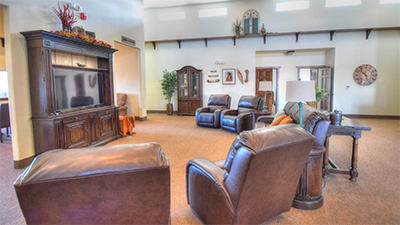
Short-term respite care in a shop home can be valuable in two instructions. The caretaker gets a break, and the older adult gains direct exposure to a structured environment that actively supports ADLs.
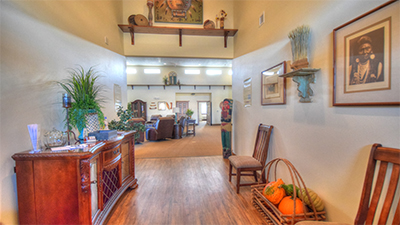
During a 2 or four week respite stay, staff can often:
Re-establish safe bathing regimens that have slipped at home. Improve toileting schedules and address constipation or incontinence. Get eyes on mobility problems, perhaps include a therapist, and send the resident home with a better plan for transfers and walking.
Families often report that their loved one returns from respite "doing much better" with everyday tasks than previously. That is normally not magic. It is simply the effect of constant cueing, practiced transfers, and consistent nutrition and hydration.
Respite stays are also a low-commitment way to examine a store home as a possible future option. Seeing how staff support ADLs during a short stay can inform you a lot about what longer-term life there would look like.
Trade-offs, Expense, and Reasonable Expectations
Boutique senior care homes are not the ideal fit for every scenario. Compromises are real.
Cost can be higher per resident than in big assisted living facilities, particularly in urban markets where home values are high. Some store homes are private pay only, with minimal acceptance of long-term care insurance coverage or Medicaid waivers.
Clinical resources vary. A smaller home may not have on-site nurses 24/7 or immediate access to rehab services. For residents with intricate medical needs, such as frequent IV medications or innovative ventilator support, a competent nursing center might be better suited in spite of its more institutional feel.
Even in strong boutique homes, not every ADL can be completely preserved. Progressive dementias, severe persistent health problems, and frailty will eventually lower independence, no matter how exceptional the care. What households can fairly expect is a slower, gentler trajectory of decline, fewer crises, and more dignity in the process.
Part of the professional function in senior care is to assist families set expectations. A boutique setting can enhance safety and quality of life, however it can not restore a level of function that the person has clearly lost. The focus is frequently on maintaining what remains, compensating wisely where needed, and preventing intensifying damage by doing excessive for the resident too soon.
What to Ask When Examining a Boutique Senior Care Home
Tours tend to emphasize decoration and social shows. To comprehend how a home supports ADLs, you need more pointed questions. Used together, the following quick list can help:
- Ask for particular staff-to-resident ratios on days, nights, and nights, and for how long the typical caregiver has actually worked there, to assess stability and capability for individually ADL support.
- Observe bathrooms and bed rooms for tailored setup: get bars, adaptive equipment, clothing organization, and evidence that areas are tailored to individuals rather than standardized.
- Ask how they manage a resident who refuses a shower or withstands toileting, and listen for nuanced, person-centered strategies rather than talk of "compliance."
- Inquire about partnership with physical and occupational therapists after hospitalizations, and how therapy suggestions are integrated into daily care.
- Speak straight with caretakers, not just administrators, about how they assist citizens stroll, move, eat, and gown; frontline personnel will expose the real culture.
If the responses are unclear or heavily scripted, that is a warning sign. Homes that genuinely focus on ADLs can talk concretely about how their regimens vary from a more institutional assisted living design, and they can use specific examples without exposing private details.
Bringing Everything Together
The core pledge of any senior care setting, whether identified assisted living, memory care, or residential care, is that fundamental day-to-day requirements will be satisfied dependably and respectfully. Boutique senior care homes make that promise in a specific way: through small scale, close relationships, and an environment that flexes to the person, not the other method around.
For households, the decision is rarely simple. Yet when you remove away marketing language and features, one question often cuts through the noise: Where is my loved one most likely to continue bathing, dressing, walking, consuming, and managing the information of everyday life in such a way that feels like them?
For numerous older adults, particularly those overwhelmed by large crowds or rigid timetables, a thoughtfully run store senior care home is a strong answer.
BeeHive Homes of Bernalillo provides assisted living care
BeeHive Homes of Bernalillo provides memory care services
BeeHive Homes of Bernalillo provides respite care services
BeeHive Homes of Bernalillo supports assistance with bathing and grooming
BeeHive Homes of Bernalillo offers private bedrooms with private bathrooms
BeeHive Homes of Bernalillo provides medication monitoring and documentation
BeeHive Homes of Bernalillo serves dietitian-approved meals
BeeHive Homes of Bernalillo provides housekeeping services
BeeHive Homes of Bernalillo provides laundry services
BeeHive Homes of Bernalillo offers community dining and social engagement activities
BeeHive Homes of Bernalillo features life enrichment activities
BeeHive Homes of Bernalillo supports personal care assistance during meals and daily routines
BeeHive Homes of Bernalillo promotes frequent physical and mental exercise opportunities
BeeHive Homes of Bernalillo provides a home-like residential environment
BeeHive Homes of Bernalillo creates customized care plans as residents’ needs change
BeeHive Homes of Bernalillo assesses individual resident care needs
BeeHive Homes of Bernalillo accepts private pay and long-term care insurance
BeeHive Homes of Bernalillo assists qualified veterans with Aid and Attendance benefits
BeeHive Homes of Bernalillo encourages meaningful resident-to-staff relationships
BeeHive Homes of Bernalillo delivers compassionate, attentive senior care focused on dignity and comfort
BeeHive Homes of Bernalillo has a phone number of (505) 221-6400
BeeHive Homes of Bernalillo has an address of 200 Sheriff's Posse Rd, Bernalillo, NM 87004
BeeHive Homes of Bernalillo has a website https://beehivehomes.com/locations/bernalillo/
BeeHive Homes of Bernalillo has Google Maps listing https://maps.app.goo.gl/QSaz3dwMGDj1Ev9a8
BeeHive Homes of Bernalillo has Instagram page https://www.instagram.com/beehivehomesbernalillo/
BeeHive Homes of Bernalillo has an YouTube page https://www.youtube.com/@WelcomeHomeBeeHiveHomes
BeeHive Homes of Bernalillo won Top Assisted Living Homes 2025
BeeHive Homes of Bernalillo earned Best Customer Service Award 2024
BeeHive Homes of Bernalillo placed 1st for Senior Living Communities 2025
People Also Ask about BeeHive Homes of Bernalillo
What is BeeHive Homes of Bernalillo Living monthly room rate?
The rate depends on the level of care that is needed. We do a pre-admission evaluation for each resident to determine the level of care needed. The monthly rate is based on this evaluation. There are no hidden costs or fees
Can residents stay in BeeHive Homes until the end of their life?
Usually yes. There are exceptions, such as when there are safety issues with the resident, or they need 24 hour skilled nursing services
Do we have a nurse on staff?
No, but each BeeHive Home has a consulting Nurse available 24 – 7. if nursing services are needed, a doctor can order home health to come into the home
What are BeeHive Homes’ visiting hours?
Visiting hours are adjusted to accommodate the families and the resident’s needs… just not too early or too late
Do we have couple’s rooms available?
Yes, each home has rooms designed to accommodate couples. Please ask about the availability of these rooms
Where is BeeHive Homes of Bernalillo located?
BeeHive Homes of Bernalillo is conveniently located at 200 Sheriff's Posse Rd, Bernalillo, NM 87004. You can easily find directions on Google Maps or call at (505) 221-6400 Monday through Sunday 9:00am to 5:00pm
How can I contact BeeHive Homes of Bernalillo?
You can contact BeeHive Homes of Bernalillo by phone at: (505) 221-6400, visit their website at https://beehivehomes.com/locations/bernalillo/ or connect on social media via Instagram Facebook or YouTube
Visiting the Rotary Park provides shaded seating and open green space ideal for assisted living and elderly care residents during relaxing respite care visits.